Resort Hospitality & Remote Work
The Lodge Is Full. There Is Nowhere to Work. That Is a Property Problem.
Remote workers and bleisure travelers are filling ski resorts, but without a dedicated workspace, everyone loses. Slope Pods fix that, starting at $5,295 fully installed.

The modern mountain guest: skis in the morning, Zoom calls in the afternoon. The lodge was not built for both.
Picture a Thursday morning at a mountain resort during peak Presidents' Week. The lodge is warm, the fire is going, and families are pulling off ski boots and ordering hot cocoa. A parent has claimed the corner table, propped their phone against a mug, and set their laptop out. Somewhere near the window, a woman is half-whispering into her phone, one hand cupped over her mouth, eyes darting toward the kids at the table across from her. A young visitor from New York City is at another corner: phone propped against a mug, external monitor plugged into a laptop, charger snaking across the floor toward the nearest outlet.
The mountain did not change. The guest did.
The guest on the call is frustrated. The family that wanted that corner table gave up and took the louder spot near the door. And the staff? They are navigating a room that is not quite a restaurant, not quite a cafe, and not quite an office. Nobody wins in that arrangement.
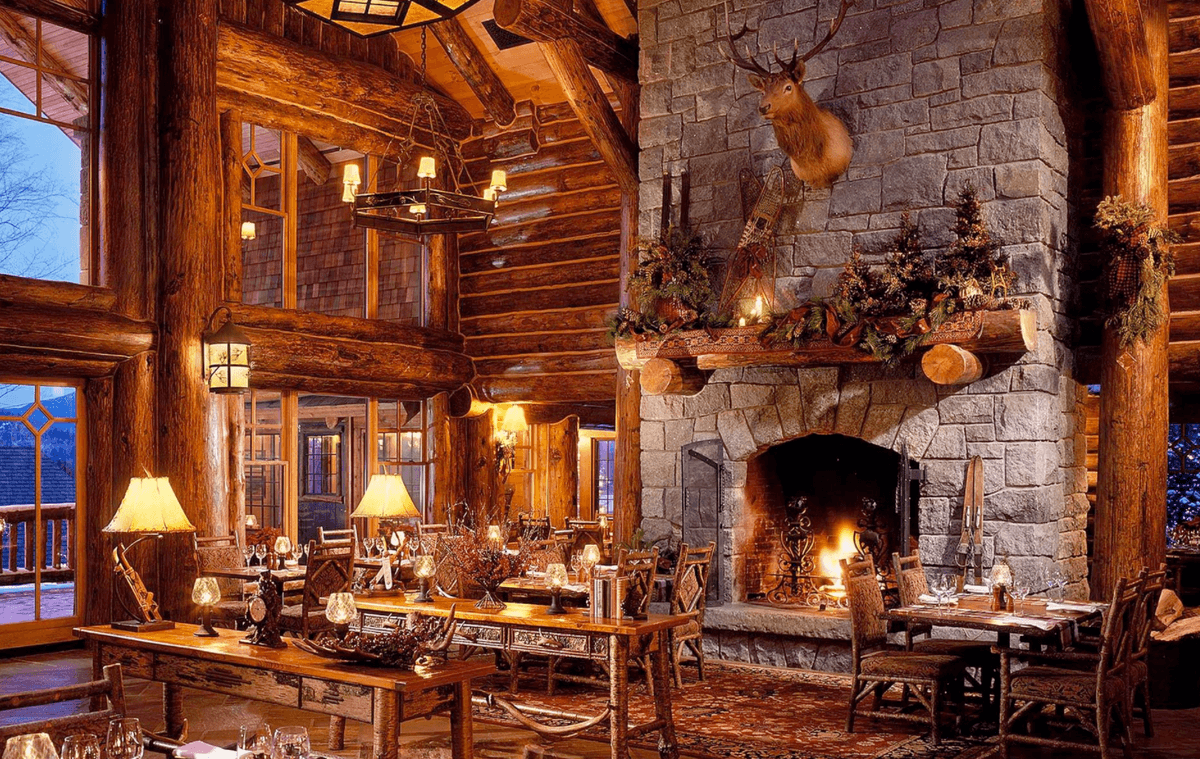
The fireplace corner was designed for apres-ski, not Zoom calls. But that line is blurring at resorts across the country.
This Is Not a Quirky Edge Case
It is the defining tension of how people travel now.
The bleisure travel market, which blends business and leisure into a single trip, is projected to reach $960 billion globally by 2030. The U.S. coworking market is growing at 19% annually toward $7.1 billion by 2030. And according to Navan's 2024 bleisure travel research, 55% of business travelers already blended work and leisure that year.
These guests are not a niche. They are your guests, right now, sitting in your lodge and making everyone around them uncomfortable.
There Is a Real Cost on Both Sides
For the guest, a bad work environment means a shortened trip. They came for the mountain, but they also had a 2 PM call and a deliverable due Friday. When there is nowhere good to handle that, they leave. Not because they wanted to. Because the property did not give them a reason to stay.
For the resort or hotel, the math is just as painful. Every hour that laptop is camped at a four-top is a table that cannot turn. Every whispered phone call in the lobby is a small friction that adds up. The room that was supposed to feel like a retreat starts to feel like a WeWork that never meant to happen.
“The only thing sending them home early was the lack of somewhere worth staying to work. When the infrastructure is in place, the behavior shifts quickly.”
The Answer Is Not Stricter Policies
It is not asking guests to work in their rooms, balanced on a desk that was clearly designed to hold a lamp and a room-service menu. And it is definitely not just hoping the problem works itself out.
The answer is a purposeful space. Private enough to take a call. Professional enough to actually get something done. And right there on the property, so the guest does not have to leave to find it.
When that infrastructure exists, behavior shifts. Guests extend their stays. They stop stressing about the logistics and start enjoying the reason they came. The lobby gets its breathing room back.
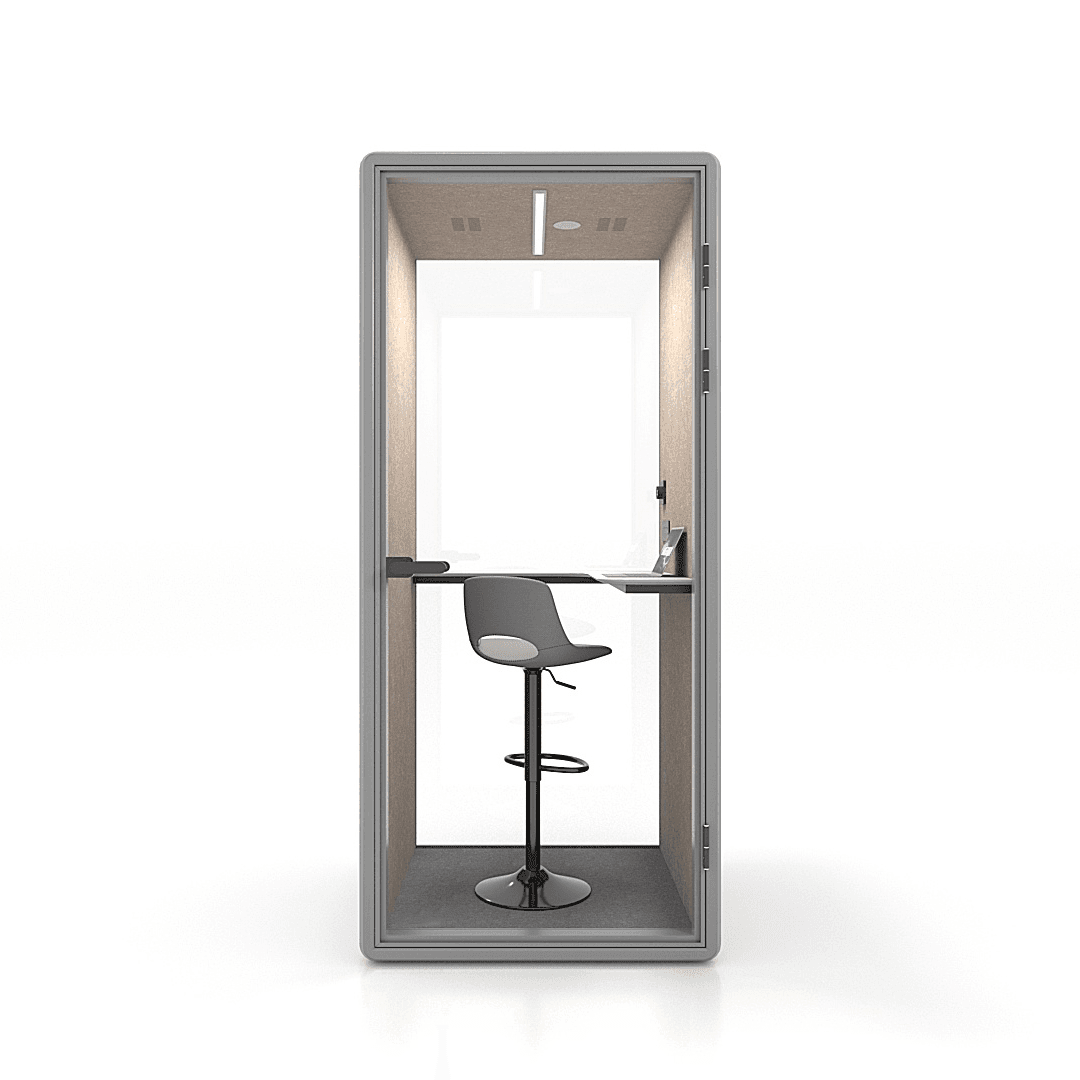
A purposeful, private workspace on the property. One closed door changes the entire dynamic for the guest and the lodge.
That Is the Whole Idea Behind Slope Pods
Slope Pods are private, self-contained workspaces designed to be located on resort and mountain hotel properties. They are built for the guest who needs 90 focused minutes between a morning run and lunch. They handle the call, the video meeting, the deadline, and then the guest is back on the mountain, which is where they wanted to be anyway. No crowded lobby. No hijacked dining tables. No awkward negotiations for an outlet.
Pods start at $5,295, fully installed, with no ongoing fees and no revenue share. You buy it, we build it, it is yours.
The property gets a real amenity. The guest gets a real reason to stay longer.
The Market Behind the Shift
$960B
Projected global bleisure travel market by 2030
55%
Of business travelers blended work and leisure in 2024
19%
Annual growth rate of the U.S. coworking market
If you run a ski resort, lodge, or mountain hotel, and this sounds familiar, the fix is closer than you think.
Greg Cash
Owner, Slope Space
Greg Cash founded Slope Space in Killington, Vermont after years of working remotely from ski towns. He built Slope Space to solve a problem he kept running into: great mountains but nowhere to work. When he is not managing the space, you will find him on the slopes or exploring the Green Mountains.